On this page
Quick answer
Occasional bloating is common and usually harmless. It is often caused by swallowed air, gas made by gut bacteria as they ferment certain foods, constipation, or a sensitive gut. The approaches with the most evidence are:
- Peppermint oil capsules for bloating and pain linked to irritable bowel syndrome (IBS)
- A low-FODMAP diet, ideally guided by a dietitian, for people whose bloating is triggered by fermentable carbohydrates
- Treating constipation, which is one of the most common hidden causes
- Simple habits: eating slowly, avoiding fizzy drinks and chewing gum, and walking after meals
Bloating that is new, persistent, getting worse, or comes with weight loss, bleeding or a change in bowel habit needs to be checked by a doctor.
Why bloating happens
Bloating means a feeling of fullness, pressure or tightness in the abdomen. Sometimes the belly visibly swells (distension). Common causes include:
- Swallowed air from eating quickly, talking while eating, drinking through straws, fizzy drinks and chewing gum
- Gas from fermentation. Some carbohydrates are not fully absorbed in the small intestine and are fermented by bacteria in the large intestine. Beans, lentils, onions, garlic, wheat, some fruits (apples, pears, mango) and sugar alcohols like sorbitol are common culprits.
- Constipation, which slows the movement of gas and stool
- IBS, where the gut is more sensitive to normal amounts of gas and stretch
- Lactose intolerance, where milk sugar is poorly digested
- Hormonal changes before a period
- Less common medical causes, such as coeliac disease, ovarian problems or, rarely, bowel or ovarian cancer
What the research says
Peppermint oil
Peppermint oil relaxes the smooth muscle of the gut. Meta-analyses of randomised trials in IBS have found that enteric-coated peppermint oil capsules improve overall symptoms and abdominal pain compared with placebo, and the American College of Gastroenterology's IBS guideline suggests it as a treatment option. Bloating specifically improves in some trials, though less consistently than pain.
The low-FODMAP diet
FODMAPs are a group of fermentable carbohydrates. Trials in people with IBS show that a low-FODMAP diet reduces bloating, wind and pain for many people. It is a three-step process: a short, strict elimination (usually 2 to 6 weeks), gradual reintroduction to find personal triggers, and then a long-term, less restrictive diet. It is quite complicated, which is why dietitian support is recommended, and it is not meant to be followed strictly for the long term.
Fibre: helpful, but in the right form
Soluble fibre such as psyllium (ispaghula) helps constipation and IBS symptoms. Insoluble fibre such as wheat bran can make bloating worse for some people. If you increase fibre, do it gradually over a few weeks and drink plenty of water.
Probiotics
Results are mixed. Some specific strains have reduced bloating in trials, but effects vary by product, and major guidelines do not make a strong recommendation. If you try one, give it about four weeks and stop if there is no improvement.
Popular remedies with little evidence
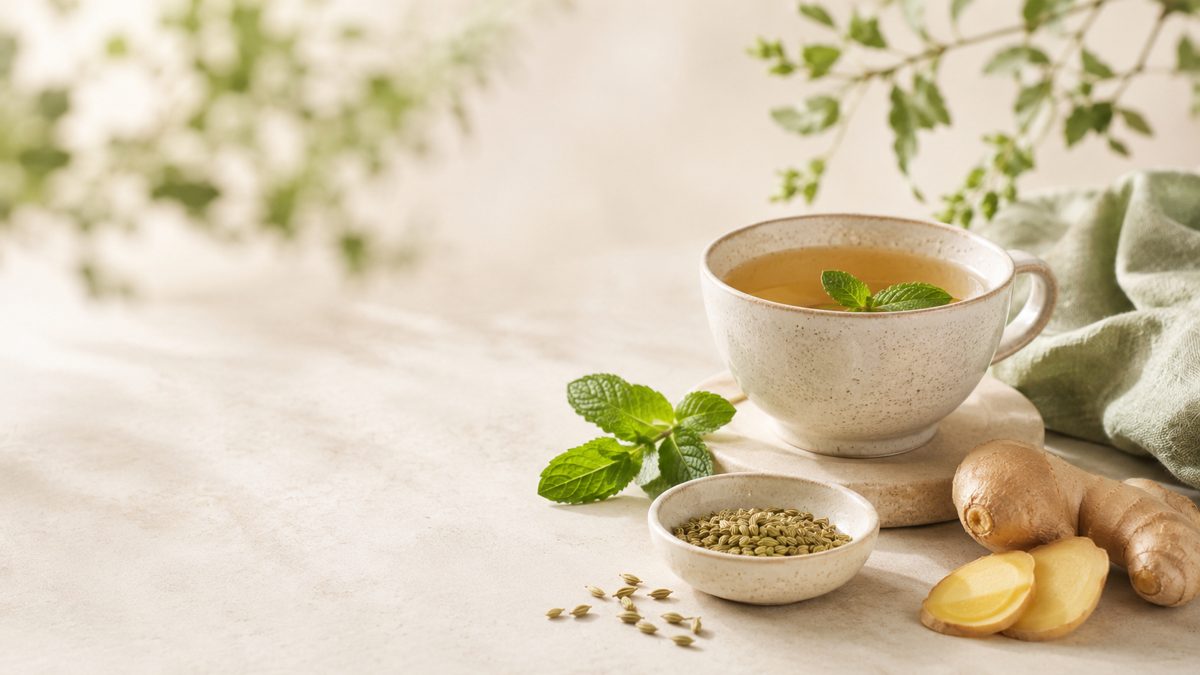
- Fennel, ginger and chamomile teas are traditional and low-risk, and some people find them soothing, but there is little trial evidence for bloating.
- Activated charcoal has inconsistent results and can interfere with medicines.
- Simethicone, an over-the-counter anti-gas medicine, has limited evidence but is very safe.
- "Detox" or "flat tummy" teas often contain laxatives such as senna and are not a good idea for regular use.
Practical steps to try
- Slow down at meals. Chew thoroughly and avoid talking while chewing.
- Cut back on fizzy drinks, chewing gum and sugar-free sweets containing sorbitol, xylitol or mannitol.
- Walk for 10 to 15 minutes after meals. Gentle movement helps gas pass through the gut.
- Keep a two-week food and symptom diary. Note meals, symptoms, bowel movements and, for women, your menstrual cycle. Patterns often become clear.
- Tackle constipation. Increase fluids, add soluble fibre gradually, and stay active.
- Try reducing common triggers one at a time, such as onions and garlic, beans, or large amounts of milk, rather than cutting out many foods at once.
- Consider peppermint oil capsules if you have IBS-type symptoms, after checking with a pharmacist.
Side effects and cautions
- Peppermint oil can cause heartburn and should be avoided by people with reflux (GORD). Enteric-coated capsules reduce this risk. Do not chew the capsules.
- Low-FODMAP diets can reduce fibre intake and alter gut bacteria if followed strictly for too long.
- Probiotics are generally safe but should be avoided by people who are seriously ill or have weakened immune systems unless a doctor advises them.
- Laxatives in "detox" teas can cause cramping, diarrhoea and, with long-term use, dependence.
Who should be careful
- People with reflux or a hiatus hernia (peppermint oil)
- Anyone with a history of an eating disorder, for whom restrictive diets can be harmful
- Pregnant women: bloating is common in pregnancy, but check with your midwife or doctor before taking supplements
When to see a doctor
See a doctor promptly if bloating comes with any of these:
- Bloating that is persistent or happens most days for three weeks or more, especially if you are over 50, or if you are a woman, because persistent bloating can be an early sign of ovarian cancer
- Unexplained weight loss, loss of appetite or feeling full very quickly
- Blood in your stool, black stools, or bleeding from the bottom
- A change in bowel habit that lasts more than a few weeks
- Vomiting, difficulty swallowing, or severe or worsening pain
- A lump you can feel in your abdomen
- A family history of bowel or ovarian cancer, or coeliac disease
Get urgent help if you have severe abdominal pain, a swollen, hard abdomen with vomiting, or you cannot pass wind or stool.
Frequently asked questions
Why am I bloated every evening?
Bloating often builds through the day as you eat and as gas is produced. Large evening meals, eating late, and trigger foods at dinner can make it worse. A food diary can help find the pattern.
Can drinking water help bloating?
If constipation is part of the problem, drinking enough water helps keep stools soft. Water itself does not cause bloating, though gulping large amounts with meals can add swallowed air.
Is bloating a sign of a food intolerance?
Sometimes. Lactose intolerance and sensitivity to FODMAPs are common. Coeliac disease, an immune reaction to gluten, should be tested for before cutting out gluten, because the test is only accurate while you are still eating it.
Should I take a probiotic?
You can try one for about four weeks. If you notice no difference, there is little point continuing.
References
- NHS. Bloating. https://www.nhs.uk/conditions/bloating/
- Lacy BE, et al. ACG Clinical Guideline: Management of Irritable Bowel Syndrome. American Journal of Gastroenterology, 2021.
- Alammar N, et al. The impact of peppermint oil on the irritable bowel syndrome: a meta-analysis of the pooled clinical data. BMC Complementary and Alternative Medicine, 2019.
- National Institute of Diabetes and Digestive and Kidney Diseases (NIDDK). Gas in the digestive tract. https://www.niddk.nih.gov/health-information/digestive-diseases/gas-digestive-tract
- National Institute for Health and Care Excellence (NICE). Suspected cancer: recognition and referral, guideline NG12.