On this page
Quick answer
Turmeric is a safe and flavourful spice in food. As a supplement, its main active compound, curcumin, has been studied for many inflammatory conditions. The most consistent finding is a modest reduction in pain from knee osteoarthritis, roughly similar in some small trials to standard anti-inflammatory painkillers. For most other claims, including weight loss, depression, heart disease and cancer, the evidence is weak or missing.
Turmeric supplements are not risk-free. Concentrated products, especially those combined with black pepper extract to boost absorption, have been linked to rare cases of liver injury, and they can interact with blood thinners and diabetes medicines.
What turmeric and curcumin are
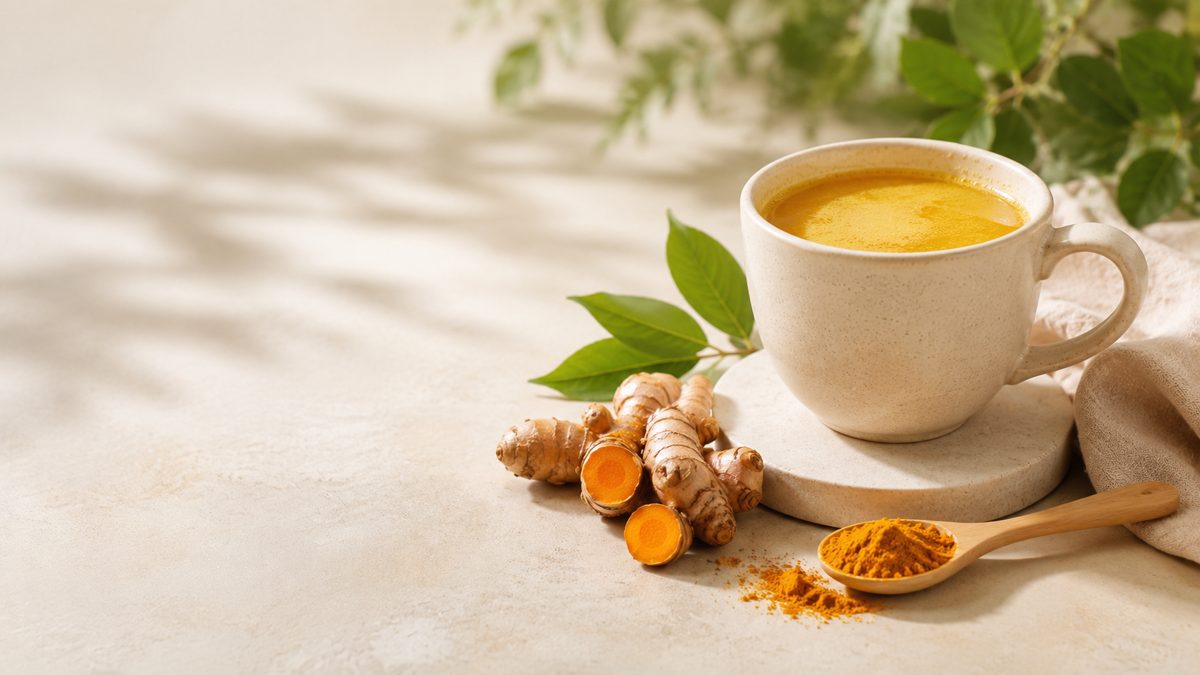
Turmeric is the bright yellow root of Curcuma longa, a plant in the ginger family, used for centuries in South Asian and Middle Eastern cooking and in traditional medicine. Curcumin makes up only about 3% of turmeric powder by weight.
Curcumin has anti-inflammatory and antioxidant effects in laboratory studies. The problem is that the body absorbs very little of it: most is broken down in the gut and liver. That is why supplements often contain piperine (from black pepper) or use special formulations to increase absorption. Better absorption may increase benefits, but it may also increase side effects.
What the research says
Knee osteoarthritis
This is where the evidence is strongest. Several meta-analyses of randomised trials have found that turmeric or curcumin extracts reduce knee pain and stiffness compared with placebo over 4 to 12 weeks. A few small trials compared curcumin with ibuprofen or diclofenac and found similar pain relief with fewer stomach side effects.
The limits are important: most trials were small, short and of mixed quality, used different products and doses, and some were funded by supplement makers. The benefit, where seen, is modest.
Other conditions
- Rheumatoid arthritis and inflammatory bowel disease: a few small trials show possible benefit when curcumin is added to standard treatment, but the evidence is too limited to recommend it, and it should never replace prescribed medicine.
- Exercise soreness: some studies suggest less muscle soreness, with inconsistent results.
- Depression, heart disease, diabetes, cancer, dementia: promising lab and animal studies have not translated into convincing human evidence.
The US National Center for Complementary and Integrative Health summarises it this way: there is little reliable evidence to support turmeric for any health condition, because few high-quality studies have been done.
How people use it
- In food: turmeric in curries, rice, soups and golden milk is safe for almost everyone. Food amounts are too small to match the doses used in trials, but there is no harm in enjoying it.
- As a supplement: knee osteoarthritis trials commonly used around 500 to 1,500 mg of curcumin extract a day, split into doses, for at least 4 to 8 weeks.
If you want to try a supplement for joint pain:
- Talk to your doctor or pharmacist first, especially if you take any regular medicines.
- Choose a product from a reputable manufacturer, ideally independently tested for quality (for example by USP or a similar body). Contamination with lead and other substances has been found in some turmeric products.
- Give it a fair trial of 8 to 12 weeks, then stop if you notice no difference.
- Stop immediately and see a doctor if you develop any signs of liver problems (see below).
Possible side effects and interactions
Common, usually mild side effects of supplements include stomach upset, nausea, diarrhoea and acid reflux.
More serious concerns:
- Liver injury. The US LiverTox database and regulators in Australia and Europe have reported cases of liver injury linked to turmeric and curcumin supplements, many involving high-absorption products with piperine. Most people recovered after stopping, but some cases were serious.
- Bleeding risk. Curcumin may slow blood clotting. Combining it with warfarin, apixaban, clopidogrel, aspirin or similar medicines may raise bleeding risk. Stop supplements two weeks before planned surgery.
- Diabetes medicines. Curcumin may lower blood sugar slightly, adding to the effect of diabetes medicines.
- Gallbladder problems. Turmeric can make the gallbladder contract, which may trigger pain in people with gallstones or bile duct problems.
- Iron absorption. High doses may reduce iron absorption, which matters for people with iron deficiency.
- Other medicines. Piperine affects how the liver processes many drugs, so products containing it may change medicine levels.
Who should avoid it
Avoid turmeric or curcumin supplements (normal food amounts are fine) if you:
- Have liver disease, or have had liver problems with a medicine or supplement before
- Take blood thinners or antiplatelet medicines, or have a bleeding disorder
- Have gallstones or bile duct obstruction
- Are pregnant or breastfeeding (safety of supplement doses is not established)
- Have surgery planned within two weeks
- Take diabetes medicines, unless your doctor agrees and you monitor your blood sugar
When to see a doctor
Turmeric should not delay proper assessment. See a doctor if:
- A joint is hot, red and swollen, or you have a fever with joint pain, which can be a sign of infection or gout
- Joint pain is getting worse, waking you at night, or limiting your daily activities
- You have morning stiffness lasting more than an hour or several swollen joints, which can suggest inflammatory arthritis that needs early treatment
- You have any of the liver warning signs listed above
Frequently asked questions
Does turmeric need black pepper to work?
Black pepper's piperine increases curcumin absorption many times over. That is why it is added to supplements. In food, cooking turmeric with a little fat and black pepper is a common and harmless approach. In supplements, higher absorption also means higher potential for side effects and interactions.
Is golden milk good for inflammation?
Golden milk is a pleasant drink, but a typical cup contains far less curcumin than the doses used in studies. Enjoy it as food rather than as a treatment.
Can turmeric replace ibuprofen?
A few small trials suggest similar pain relief for knee osteoarthritis, but the evidence is not strong enough to recommend switching. Talk to your doctor about the safest long-term pain plan for you.
Is turmeric safe for teeth?
Turmeric can stain teeth, dentures and fillings yellow temporarily. Rinsing with water after turmeric drinks and regular brushing usually prevents this.
References
- National Center for Complementary and Integrative Health (NCCIH). Turmeric. https://www.nccih.nih.gov/health/turmeric
- Daily JW, Yang M, Park S. Efficacy of turmeric extracts and curcumin for alleviating the symptoms of joint arthritis: a systematic review and meta-analysis of randomized clinical trials. Journal of Medicinal Food, 2016.
- National Institute of Diabetes and Digestive and Kidney Diseases. LiverTox: Clinical and Research Information on Drug-Induced Liver Injury. Turmeric.
- Therapeutic Goods Administration (Australia). Medicines containing turmeric or curcumin: risk of liver injury, safety advisory.